Trek Details
Mardi Himal trekking is becoming more and more popular as it offers an exciting experience without much risk or time consumption. and It's close to Pokhara, making it easy to reach, can do any age of people as quick 4-5 day trip, The trek isn't too difficult, Along the way, there is stunning scenery like villages, forests, and snow-capped and peaks. Unlike more crowded treks, Mardi Himal is a 5,587-metre (18,330 ft) peak beneath the much more prominent Machapuchare in the Annapurna region of Nepal, . It was first summited in 1961 by Basil Goodfellow.
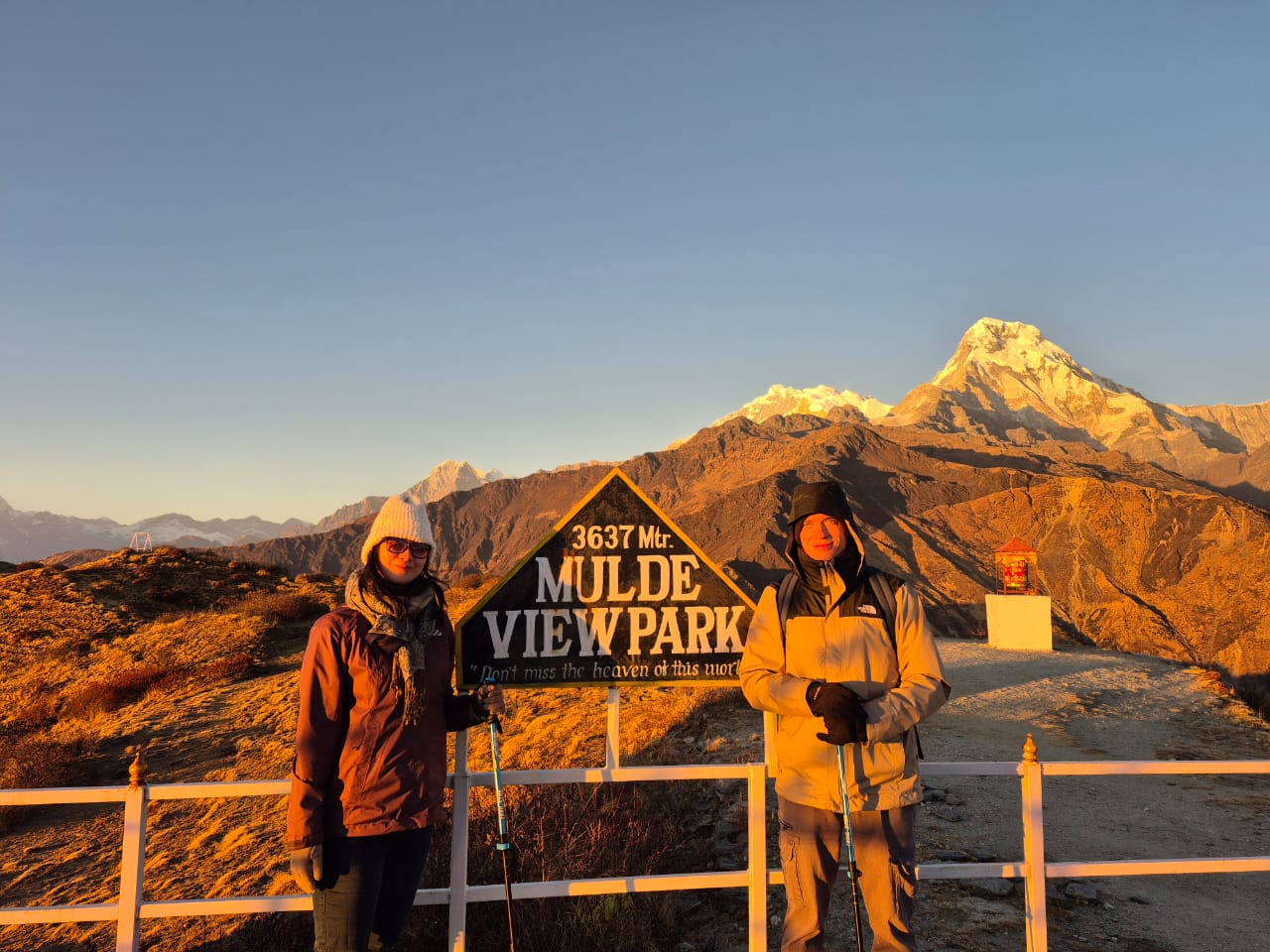
Since opening in 2012, the Mardi Himal Trek climbs up a cliff towards the top, offering lodges and teahouses up to 3,550 meters. From there, it's a further climb to 4,500 meters, where "Base Camp" is located. The Nepalese government classifies the summit as a "trekking peak," and numerous expedition organizations arrange tours to it. The trip begins in the picturesque city of Pokhara and proceeds via the villages of Dhampus and Pothana, in which rich forests of bamboo, rhododendron, and oak trees are found. The route then leads to the Mardi Himal Base Camp, which is at an elevation of 4,500 meters and provides breathtaking views of the Mardi Himal, Annapurna South, and Himchuli peaks.
Overview
- Location: Annapurna Conservation Area, starts near Pokhara (drive to Phedi or Kande).
- Highest point: Mardi Himal Base Camp / viewpoint (~4,200–4,500 m depending on how far you go).
- Time required: commonly 4–7 days round-trip from Pokhara (can be done shorter or extended via Ghandruk/Lumle).
- Difficulty: moderate — steep sections and long uphill days; teahouse accommodation to High Camp, some basic lodges above; a day at altitude so acclimatize.
- Permits: Annapurna Conservation Area Permit (ACAP) and TIMS for independent trekkers — check current rates and rules before you go.
- Best seasons: Oct–Nov and Mar–Apr (clear skies and rhododendron bloom in spring). Winter is cold; monsoon is wet and muddy.
Safety & acclimatization
- Highest elevation is significant — watch for altitude sickness. Take it slow, drink plenty of water, consider an acclimatization day if you feel sluggish.
- Weather can change quickly; warm layers, waterproofs, good boots and sun protection are necessary.
- Mobile coverage is patchy; carry a power bank and let someone know your plan.
Recommended gear (short list)
- Good trekking boots, warm down jacket, layers, waterproof shell
- Headlamp, water purification (or tablets), sunhat, sunglasses, sunscreen
- Cash (Nepalese rupees), small first-aid kit, toiletries, walking poles
Small Tips.
- Start early on summit/viewpoint days for best light and to avoid afternoon clouds.
- Book permits and check trail/road conditions in Pokhara; talk to your trip planner, Fly Nepal Aventure's any staff or local guides for current information.
- If short on time, you can do a 3-day express trek, but it’s more strenuous and gives less acclimatization.
Contact us for your customized itinerary and more details.