Trek Details
The Everest Base Camp (EBC) + Cho La Pass Trek is a spectacular adventure in the Everest region that combines the classic EBC route with the Cho La Pass (5,420 m) crossing and a visit to the Gokyo Lakes. It’s perfect for trekkers seeking a more challenging and diverse Himalayan experience.
It offers breathtaking views of the Himalayas and a chance to experience the rich Sherpa culture. While it's possible to trek independently, many trekkers hire local guides and porters to enhance their experience and ensure safety.
Before undertaking the trek, it's crucial to check for any updates in regulations, weather conditions, and travel advisories. Always prioritize safety and consult with a local trekking agency for the latest information and assistance.
Trip Highlights:
-
Everest Base Camp – legendary mountaineering site
-
Kala Patthar Viewpoint – best panoramic view of MT Everest, Aama Dablam and many small peak surround
-
Cho La Pass – glacier crossing, alpine terrain
-
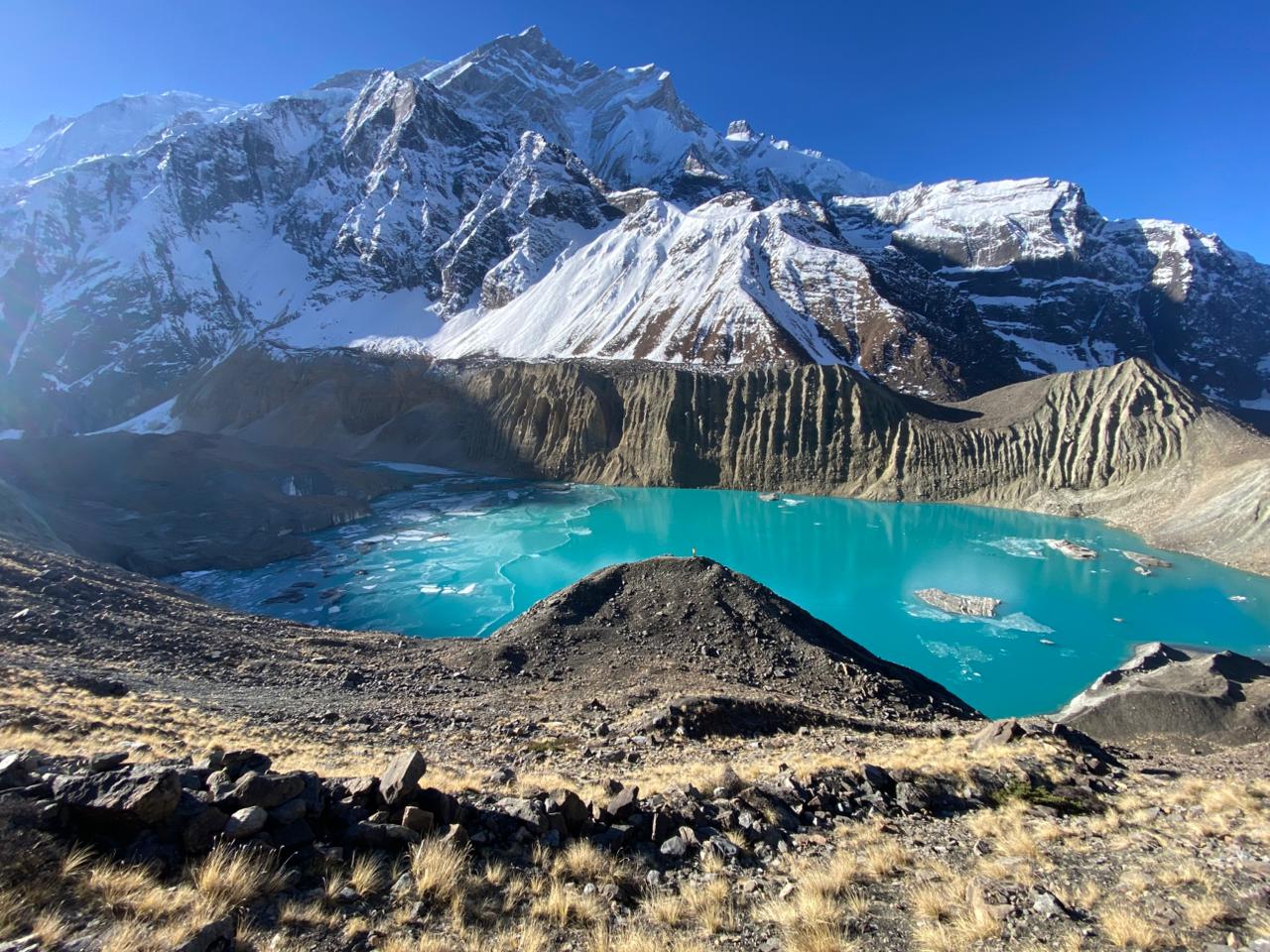
Gokyo Lakes – stunning turquoise glacial lakes
-
Gokyo Ri climb – view of 4 of the world’s 6 highest peaks
-
Sherpa culture – monasteries, villages, local hospitality
Trek Challenges:
-
Steep, icy terrain at Cho La Pass – may need microspikes
-
High altitude – risk of AMS, proper acclimatization critical
-
Weather can delay flights to/from Lukla
- Trekking duration: The normal duration for the EBC and Gokyo trek is around 12 to 16 days, depending on the route chosen and acclimatization requirements.
- Permits: Trekkers need to obtain permits, including the Sagarmatha National Park Entry Permit and the Khumbu Pasang Lhamu Rural Municipality Entry Permit.
-
Altitude Considerations: Altitude sickness is a concern, and proper acclimatization with a gradual ascent is crucial. Trekkers are advised to be aware of symptoms and descend if necessary.
-
Difficulty: The trek is considered moderately challenging, with high-altitude sections requiring acclimatization. Trekkers should be in good physical condition, and proper acclimatization is crucial to avoid altitude-related issues.
-
Best Time to Trek: The optimal trekking seasons are spring (March to May) and autumn (September to November) when weather conditions are generally favorable.
Essential Gear:
-
Warm layers (down jacket, thermals)
-
Sturdy boots + crampons/microspikes (for Cho La)
-
Trekking poles
-
Sleeping bag (-15°C rated)
-
If you'd like, I can also help with:
-
Guided vs. solo trek advice
-
Budget breakdown
-
Permit info (SAGARMATHA Permit + TIMS)
-
Packing checklist
-
Altitude chart or printable itinerary PDF
-
Let me know what you’d like to focus on!
-
Diamox or AMS medication
-
Water purification system/tablets
Safety & acclimatization
-
Helicopter evacuation available (insurance required)
-
Mobile signal up to Gorak Shep (limited)
-
Wi-Fi available (Everest Link cards)
-
Carry travel insurance covering 6,000 m
Why Choose EBC + Cho La Pass?
-
The classic Everest Base Camp route
-
A technical high pass crossing (Cho La)
-
The Gokyo Lakes & Gokyo Ri viewpoint
Best Tips for EBC + Chola Pass:
1. Train for Endurance, Not Speed
Focus on:
-
Long hikes (6–8 hrs)
-
Stair climbing with backpack
-
Cardio + leg strength (squats, lunges)
2. Never rush this trek.
-
Minimum 2 acclimatization days (Namche & Dingboche)
-
Follow: “climb high, sleep low”
-
If symptoms worsen → DESCEND immediately
3. Start Cho La Pass Very Early
-
Start between 4:00–5:00 AM
-
Snow & ice become dangerous after mid-morning
-
Early start = safer glacier crossing + better weather
4. Carry Microspikes or Light Crampons
Cho La Pass often has.
-
Ice-covered rocks
-
Hard snow
-
Steep descent toward Thagnak
5. Use Trekking Poles (Mandatory for Cho La)
-
Helps on steep ascents
-
Essential on slippery descent
-
Adjust shorter going up, longer going down
6. Eat Even If You’re Not Hungry
Altitude suppresses appetite.
-
Dal Bhat = best fuel
-
Soup + carbs before Cho La day
-
Avoid heavy meat dishes at high altitude
7. Hire a Guide (Highly Recommended)
Cho La Pass is:
-
Poorly marked in snow
-
Has hidden crevasse areas
A guide:
-
Chooses safer route
-
Checks weather
-
Handles emergencies
8. Carry Travel Insurance (Must Cover 6,000 m)
Ensure insurance includes:
-
High-altitude trekking
-
Helicopter evacuation
-
Nepal coverage
Contact us for your customized itinerary and more details.